Default Typeface: A Modern Sans Serif for Editorial Design
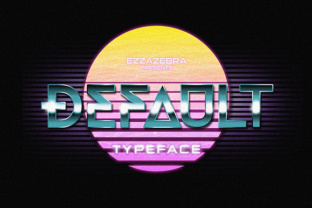
As I sat down to redesign the header of my lifestyle blog, I knew I needed a font that would not only capture the essence of my brand but also enhance the overall readability and visual appeal. Enter Default Typeface, a modern sans serif font that perfectly embodies the 80s style, reminiscent of video games and vintage motion graphics. This font is not just a pretty face; it's a versatile tool that can be used for both body text and display, making it an ideal choice for a wide range of publishing projects.
Default Typeface for Lifestyle Blog Redesign and Brand Identity
One of the first things I noticed about Default Typeface is its clean, yet playful character. The font has a unique rhythm that adds a touch of nostalgia without sacrificing modernity. For my blog, this meant that I could use it for the main header, creating a strong, inviting presence that aligns with the blog's content and audience. The font's personality is perfect for setting the right tone—approachable, engaging, and slightly retro, which resonates well with my readers.
Using Default Typeface in Article Titles and Magazine Covers
When it comes to article titles and magazine covers, Default Typeface shines. Its bold, clear lines make it an excellent choice for grabbing attention. I tested it on a few mockups, and the results were impressive. The font's clarity and legibility at larger sizes make it a standout option for any cover or title that needs to be seen from a distance. Whether you're designing a digital magazine or a print publication, Default Typeface offers the perfect balance of style and functionality.
Default Typeface for Ebooks, Newsletters, and Digital Publications
For my upcoming recipe ebook, I was looking for a font that would complement the content while adding a touch of elegance. Default Typeface fit the bill perfectly. The font's versatility allowed me to use it for chapter openers and pull quotes, giving the ebook a cohesive and professional look. Additionally, I found that the font worked well in newsletters, where it added a fresh, dynamic feel to the headers and section titles. The font's readability on screens, especially in mobile layouts, is commendable, making it a great choice for digital publications.
Default Typeface in Print and PDF Exports: Readability and Consistency
While Default Typeface is a fantastic display font, it also holds up well in longer reading formats. I experimented with using it for shorter paragraphs and found that it maintained good readability, though it might be too expressive for dense, formal reports. For print materials like a wedding guide or a coaching workbook, the font's consistency and clarity made it a reliable choice. When exporting to PDF, the font retained its sharpness and legibility, ensuring that the final product looked polished and professional.
Font Pairing and Practical Considerations for Default Typeface
To create a balanced and visually appealing layout, I paired Default Typeface with a clean, readable serif font for the body copy. This combination enhanced the editorial design, providing a harmonious blend of styles. Before using the font in any commercial project, I recommend checking the included styles, alternates, ligatures, weights, and multilingual support. Ensuring that you have the necessary file formats and commercial licensing will help you avoid any potential issues, especially if you plan to use the font in ebooks, templates, or digital downloads.
In conclusion, Default Typeface is a premium font that brings a unique, 80s-inspired aesthetic to any editorial design. Its versatility, readability, and visual appeal make it a valuable addition to any designer's toolkit. Whether you're working on a blog, ebook, newsletter, or print publication, Default Typeface is sure to elevate your content and captivate your audience.